


|
Quantity
|
Out of stock
|
||
|
|
|||
|
|
|||
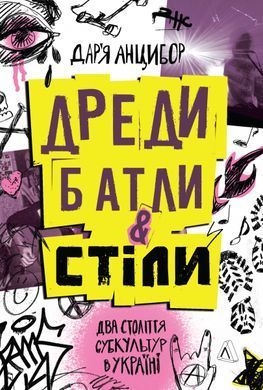
Black clothes, dark, dyed hair and drawn-in eyes; walks in the cemetery, specific music and poems about death; baggy pants, rap and graffiti on the walls; metal chains, shaved heads with Mohawks and “styls” – the existence of subcultures has been the subject of various discussions for decades. Some call them a tribute to teenage rebellion, while others consider them radical movements that may pose a threat to society. But what is really hidden behind the bright images and what values do these, at first glance, “strange” groups convey? What is the connection between the first subcultures that emerged in Ukraine and modernity? And why do some of us want to present ourselves to the world in this way?
Ukrainian folklorist and anthropologist Daria Antsybor has researched how Ukrainian youth fought for their right to cultural identity over the centuries — from the first movements through the imperial and Soviet periods and up to independence.