



|
Quantity
|
Out of stock
|
||
|
|
|||
|
|
|||
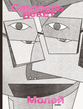
In the third novel, which concludes the unofficial Beckett trilogy, the author completely abandons the plot and the typical narrator in favor of an unnamed voice, in which Molloy, Malone and all the characters of Beckett's novels are intertwined. This voice tries to find itself in an endless and repetitive monologue. Identity is destroyed, and language turns out to be powerless to restore it.
"For literary works that in new forms of prose and drama reach the heights in depicting the wanderings of modern man" - this is how the Swedish Academy appreciated Samuel Beckett's literary talent in 1969 and awarded him the Nobel Prize in Literature.
Beckett's popularity was brought mainly by his dramatic works, but the academy also mentioned his prose. And the pinnacle of Beckett's prose output is considered to be a kind of unofficial trilogy. The first two novels were published in post-war France in 1951, and the last in 1953.
In all three novels of the trilogy — "Moloy", "Malone Dies", "The Unspeakable" — Beckett, in his absurdist style, shows the limitations of language and the limitless possibilities of writing. These works do not have a plot in the classical sense. They are fragmentary and fragile, like man himself, threatened not only by external circumstances, but also by his own inner world. His characters undergo moral and physical decay, experience an identity crisis, moving from novel to novel and from state to state, changing and merging.