
|
Quantity
|
Out of stock
|
||
|
|
|||
|
|
|||
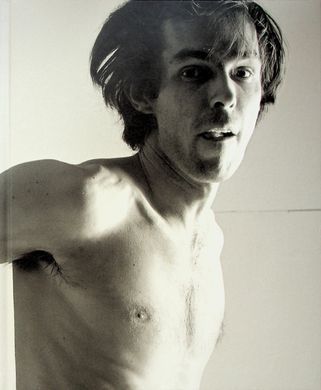
Peter Hujar: Rialto is a catalogue of an exhibition taking place at the Ukrainian Museum in New York (https://www.theukrainianmuseum.org/rialto-peter-hujar). The exhibition curator and editor of the publication is Peter Doroshenko.
The catalogue includes 77 magical works by the famous American photographer of Ukrainian origin Peter Hujar. All of them represent the first 15 years of the artist’s creative career, much of which was associated with living in the “Ukrainian village” of New York – the current East Village.
In addition to the preface, which is a curatorial study of Hujar’s work, Peter Doroshenko conducted and prepared for the catalogue three interviews with the artist’s closest friends (Linda Rosenkrantz, Vince Aletti, Steven Koch), and also involved an essay by Tim Blanks.
Peter Doroshenko: “I have studied and followed Hudzhar for thirty-six years, and after taking up the position of director of the Ukrainian Museum in New York, I made organizing an exhibition of his work a priority. The focus of the exhibition “Peter Hudzhar: Rialto” is a reinterpretation of three important series of works from the first fifteen years of the artist’s photographic career, many of which have never been exhibited. “Southbury” (1957), “Florence” (1958), and “Capuchin Catacombs of Palermo” (1963) are covered in depth for the first time. The exhibition also pays tribute to the works for which Hudzhar is best known: black-and-white portraits of thinkers, artists, and dancers in the bohemian city center where he lived and worked.
Peter Hujar was a renowned photographer best known for his black-and-white portraits of friends and lovers and the New York underground. The artist was born in 1934 in Trenton, New Jersey, and raised in New York City. His parents were first-generation Ukrainian Americans, and he spent much of his early childhood with his Ukrainian immigrant grandmother. Living with his grandmother in a Ukrainian family profoundly influenced Hujar’s life and work, shaping his identity and artistic vision.”