|
Quantity
|
Out of stock
|
||
|
|
|||
|
|
|||
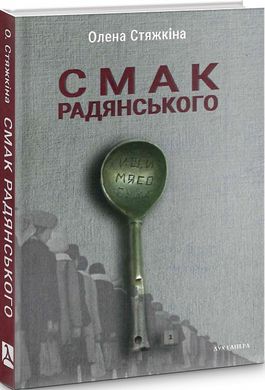
This book is about Soviet people - women, men, and children - who ate at home, at work, on the road, in kindergarten and school, in the system of Soviet public food, and on tourist trips. About those who obtained food in queues, at collective farm markets, in their own gardens, through bribes and barter exchanges, and thefts at workplaces. About those who created its surpluses in the system of the shadow economy and about those who chose to refuse food as a way of demonstrating the status of "other" or preserving a "delicious tradition" while nurturing "banal nationalism."
Food is considered not only a sign of the late Soviet consumer revolution but also one of the powerful mechanisms of social engineering and (self) coercion. The real world of Soviet eaters is analyzed together with the artistic world in which filmmakers and viewers created, broadcast, and consumed images of food, not realizing that in this way, they spoke of a repressive society in which taste was as problematic and almost unattainable as the freedom associated with taste and choice.