

|
Quantity
|
Out of stock
|
||
|
|
|||
|
|
|||
Music supports and accompanies us: in headphones on the way to work or in the speakers of our own car, from the speakers of a laptop or to the guitar with friends on vacation, a cappella in shelter to the sounds of wartime reality or in our own thoughts. And perhaps for the first time in the century-long period of Russian cultural expansion, we are finally truly displacing what is foreign and reviving and rethinking our own.
From specific melodies of the 20th century to their arrangements and modern hits — Ukrainian music is getting louder. It seems that everyone has heard and hummed "Chervona Ruta" or "Chornobrivtsi" at least once in their life, but it's time to learn more about what is hidden behind the familiar melodies of Soviet Ukrainian pop.
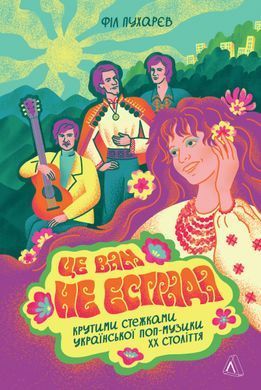
Did you know that the children of the UNR leaders “invented” Ukrainian jazz, the anthem of Kyiv was written in two days, and the well-known “Songs about a Teacher” (yes, the one that “shines like a star”) hides a real war secret? Phil Pukharev, a Ukrainian journalist and author of the Telegram channel about Ukrainian pop music of the Soviet period “PLAY”, has created a book guide that reveals the history of key figures of the Ukrainian pop scene, the history of songs, and the main events of the Ukrainian pop scene.
We warn you: reading the book “This is not your pop scene” causes an irresistible desire to listen to music. We recommend that you keep your headphones, a handkerchief, and your own nostalgia at the ready.
Why is it worth reading the book “This is not your pop scene. On the steep paths of Ukrainian pop music of the 20th century”?
A guidebook to Ukrainian pop music from key figures and songs to events in the Ukrainian pop scene of the Soviet period.
Written on the basis of open sources, journalistic materials of the author in media publications and posts in the author's Telegram channel "PLAY".
Filled with humor, youth slang and QR codes that lead to playlists, which will be a perfect addition to atmospheric reading.