



|
Quantity
|
Out of stock
|
||
|
|
|||
|
|
|||
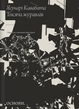
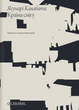
Post-war Japan. A seemingly easy and harmonious tea ceremony hides the tension between all those present and exposes the pain. Kikuji experiences the loss of his father and at the same time feels an incomprehensible attraction to his former mistress. Kawabata does not develop a dynamic plot, but a fragile, like porcelain cups, emotional state - vulnerability to ghosts from the past. A quiet story, where the main thing is said in silence.
The book is supplemented by the author's Nobel lecture "I, my Japan and beauty" translated by Yulia Osadchaya, who also brought all Japanisms into line - according to the transcription and transliteration system approved at a meeting of the methodological seminar by a team of Japanese language teachers of the Department of Chinese, Korean and Japanese Philology of the Institute of Philology of Taras Shevchenko National University of Kyiv in 2011.