




|
Quantity
|
Out of stock
|
||
|
|
|||
|
|
|||
In the world of clinical practice, increasing attention is paid to the application of the latest research in the field of neuroscience, attachment theory and trauma in the treatment of patients with a history of early neglect and relational trauma.
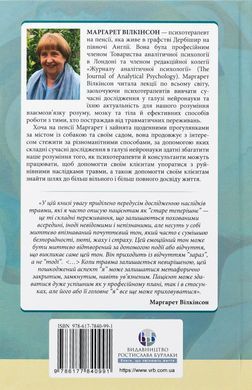
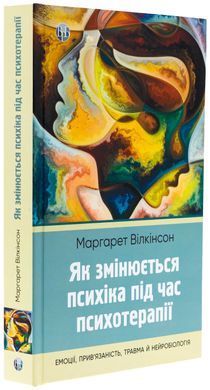
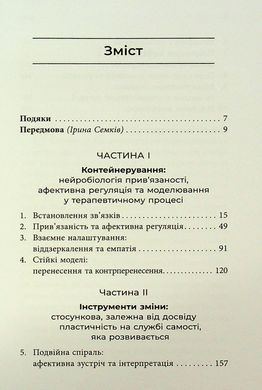
In the book "How the psyche changes during psychotherapy: emotions, attachment, trauma and neurobiology", Margaret Wilkinson, drawing on her extensive clinical experience, reveals the relationship between the psyche and the brain in the process of therapeutic change. Wilkinson explores how brain functioning contributes to the healing process of early trauma, and reveals how practical clinical tasks of overcoming trauma can be solved with the help of advanced scientific research.
This book is key for specialists who have to deal with trauma in their work, that is, psychologists, psychotherapists, educators, teachers and social workers. At the same time, the book will be of interest to a wide range of readers who want to learn more about the functioning of the brain and the development of the psyche in early and adult life.